

 Jaridah
Learn how to manage your personal finances and discover the latest tools to improve your financial situation efficiently and easily.

Consumer installment finance doesn't just affect the people using it, it reshapes spending behavior, market pricing, and economic stability at scale. This article traces the real cost of BNPL from the individual decision all the way to the broader market, and what to do with that understanding.
 Ahmed El Zoughby
 8 min read

Installment finance in Egypt takes more than one form, and the differences between them are not in the marketing, they're in the structure. This article breaks down some of those commercial models, what each one hides, and where each one stands against the sharia compliance standards.
Ahmed El Zoughby
7 min read
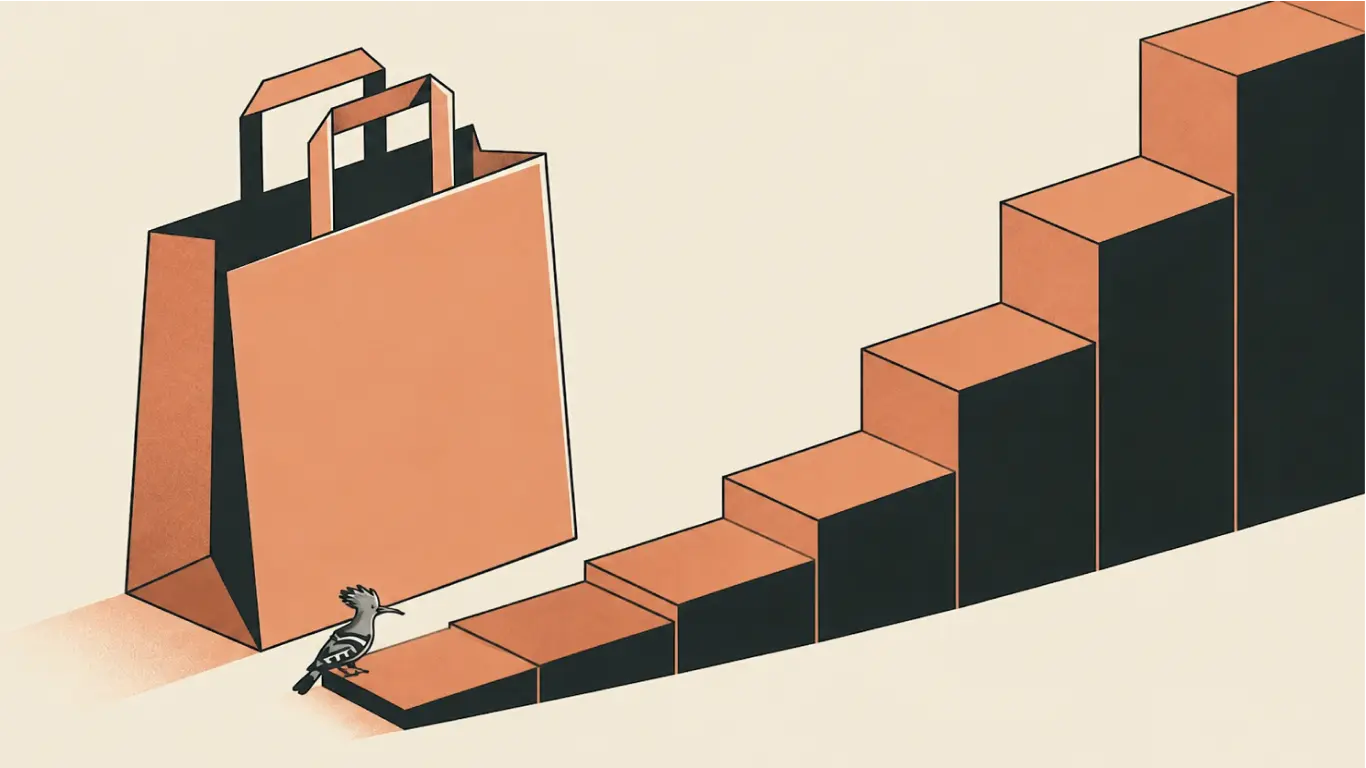
Consumer installment finance in Egypt is no longer a niche product, it is infrastructure. Understanding what's driving this growth, and what the numbers behind it actually mean, is the starting point for any informed financial decision.
Ahmed El Zoughby
3 min read
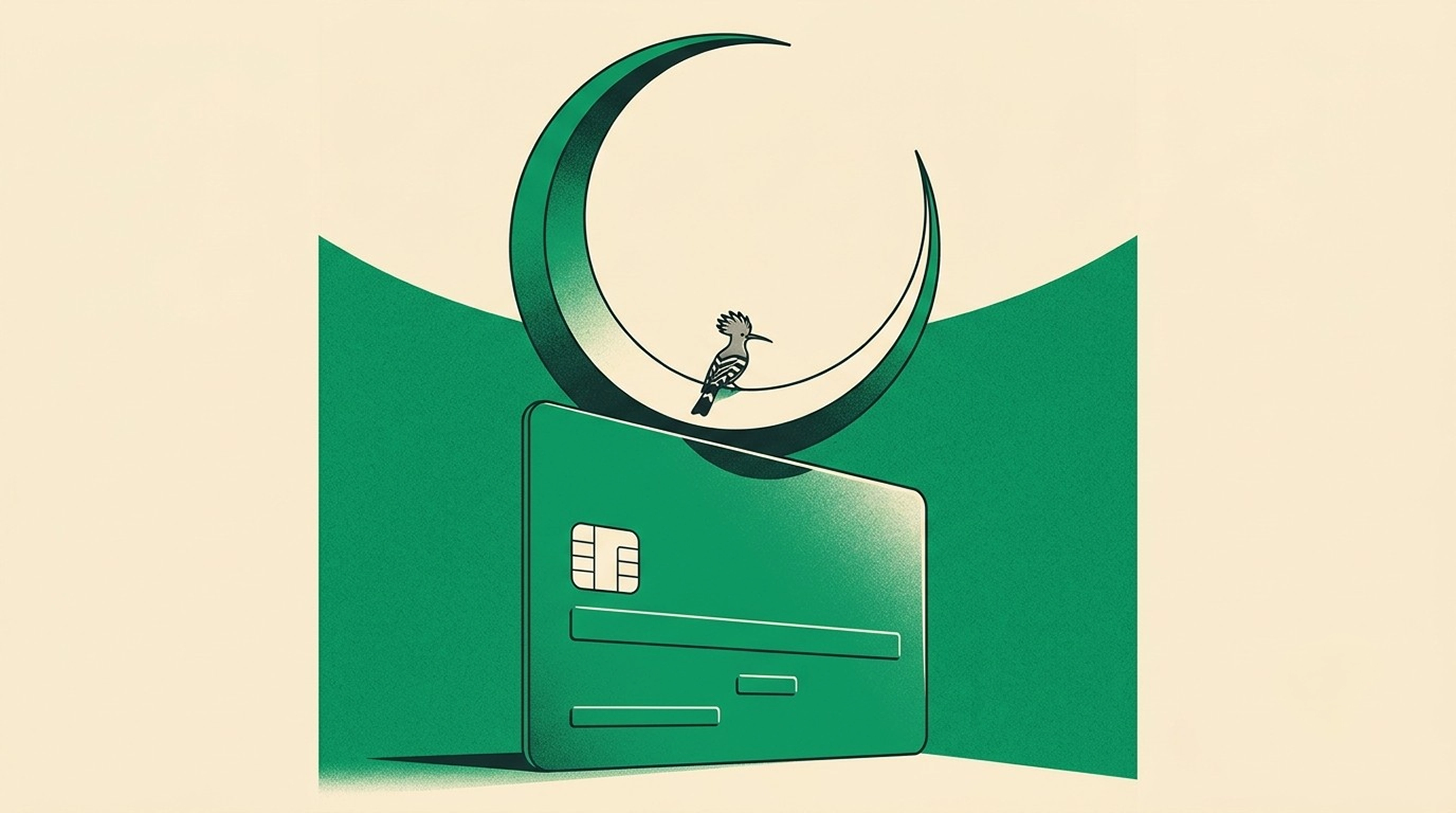
A card carrying the name "Islamic card" is not enough to make it Sharia-compliant; what counts is the contract detail, the repayment mechanism, and how late payment is handled. This guide lays out a clear path to using credit benefits when you need them, without compromising your values.
Ahmed El Zoughby
6 min read
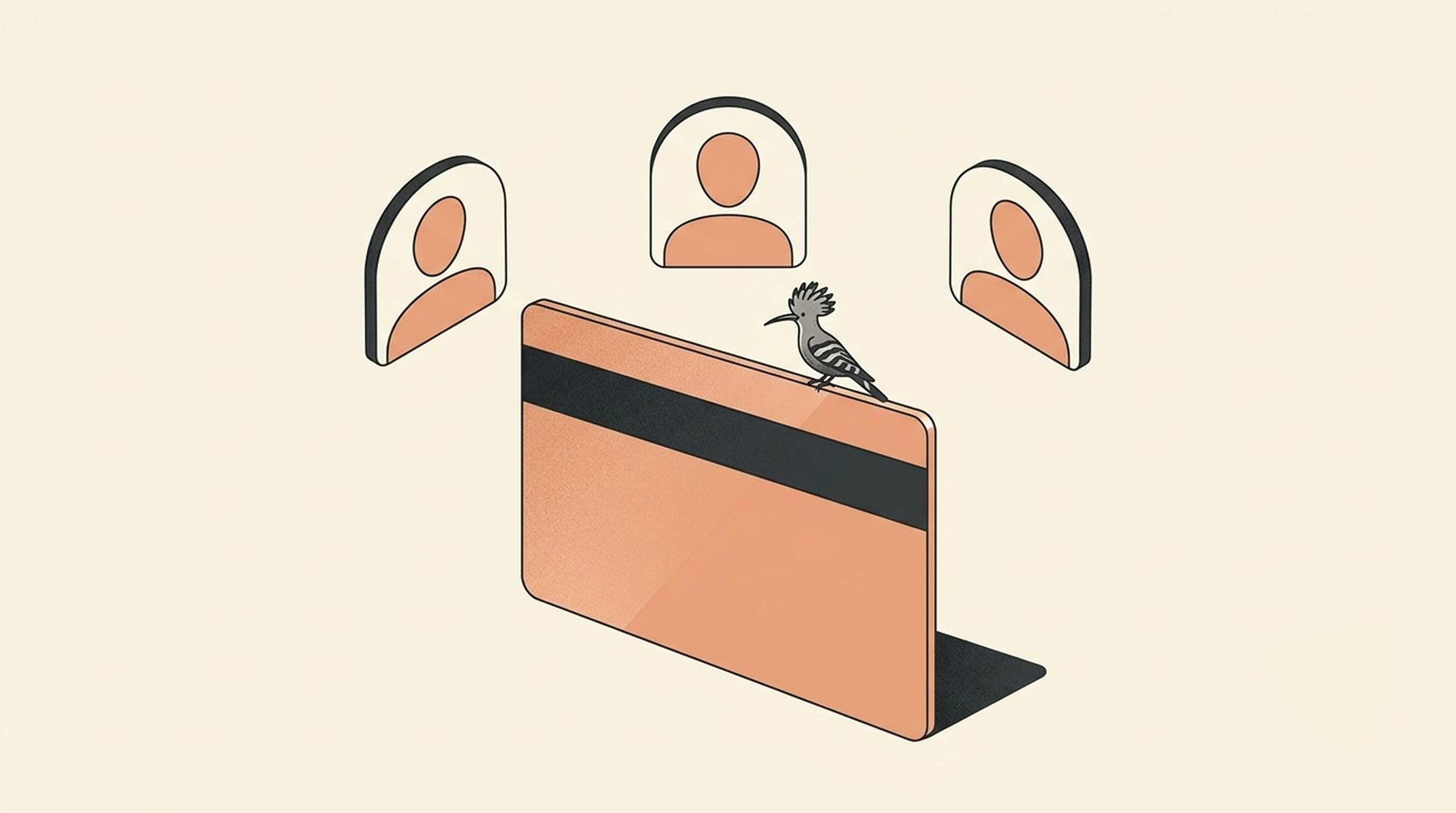
A credit card doesn't change your financial habits, it amplifies them. Before you apply, or continue using one, understanding how your financial personality interacts with debt is the most important step you can take.
Ahmed El Zoughby
4 min read
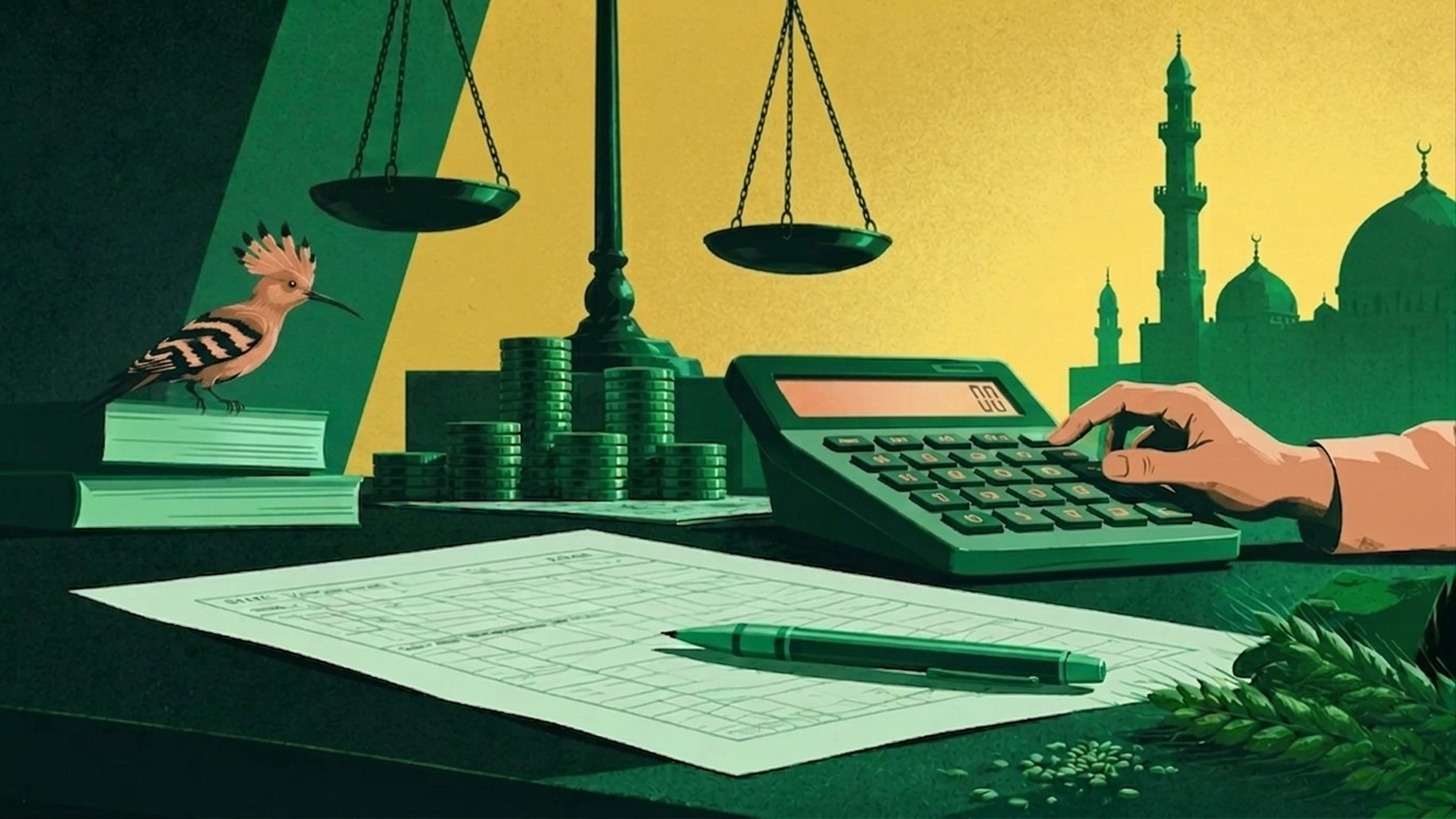
This article is not a theoretical lesson — it is practical steps that can be implemented now in a single session. Think of this session as an annual accountability meeting between you and Allah, with simple and clear steps that make the obligation reassuring, not burdensome — an annual review that purifies wealth and uplifts the heart.
Dr. Amani Matahen
6 min read
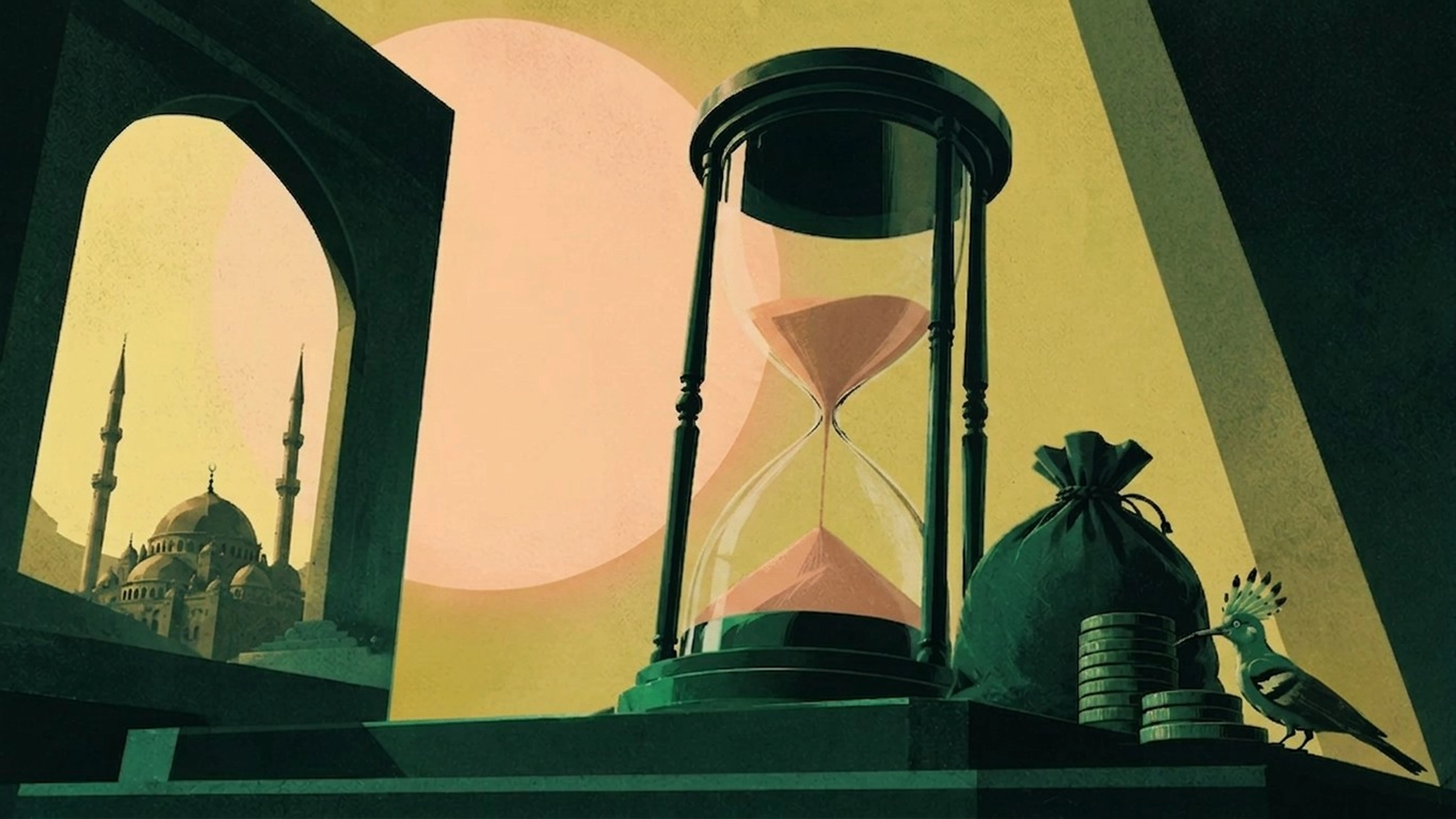
Have I become obligated to pay Zakat? And exactly when do I pay it without error or shortfall? Zakat is not random or seasonal — it is a precise system Allah established, beginning from when wealth reaches the Nisab threshold and then confirming stability in that state for a full year. This article explains Nisab and Hawl in the language of practical life.
Dr. Amani Matahen
9 min read
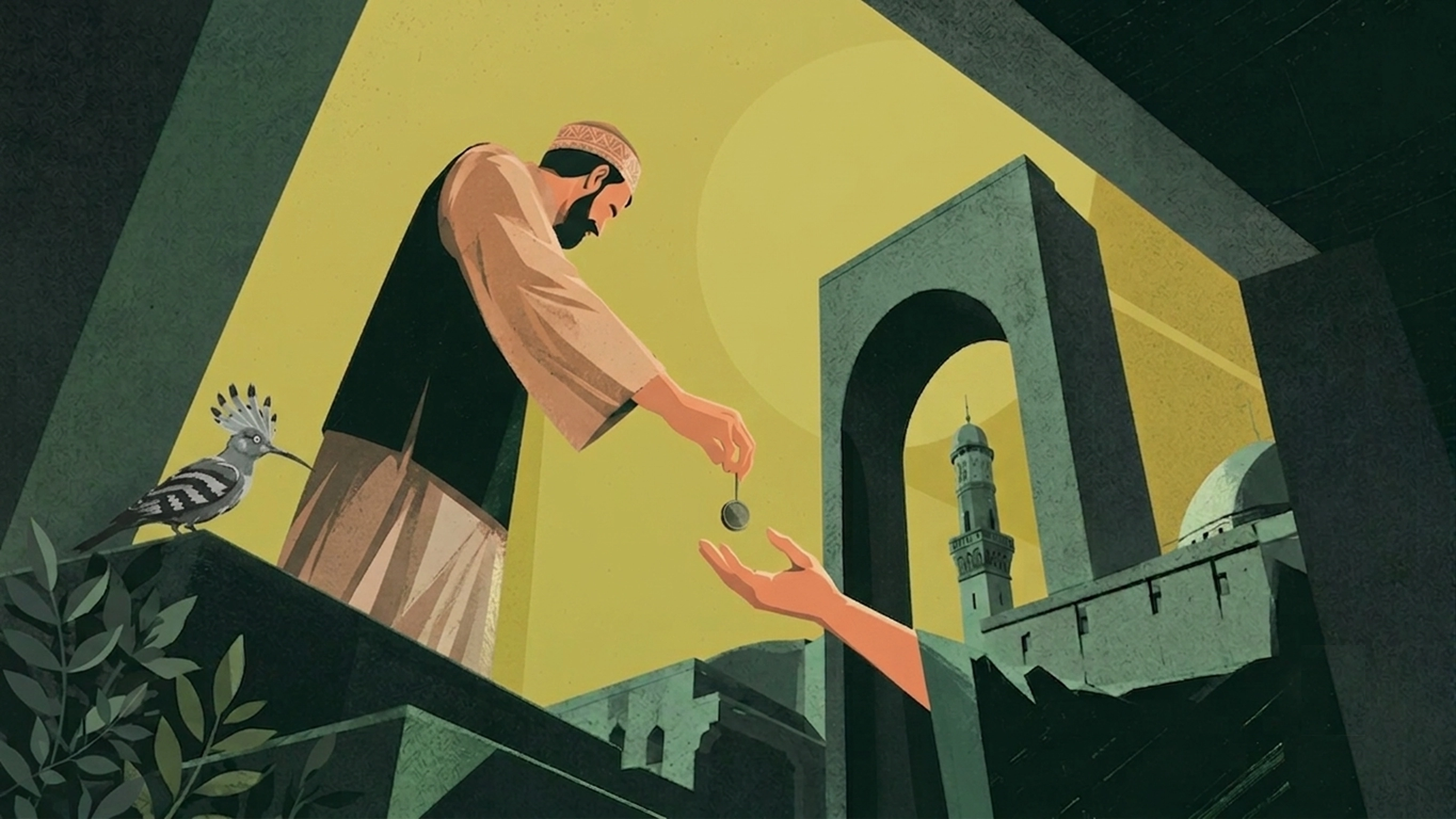
Throughout history, money has been one of the most influential forces in human life. Zakat came to put money in its rightful place — a means, not an end. This article explores the linguistic and Sharia meaning of Zakat, its place as a pillar of Islam, the wisdom behind its prescription, and how it fundamentally differs from a tax.
Dr. Amani Matahen
7 min read
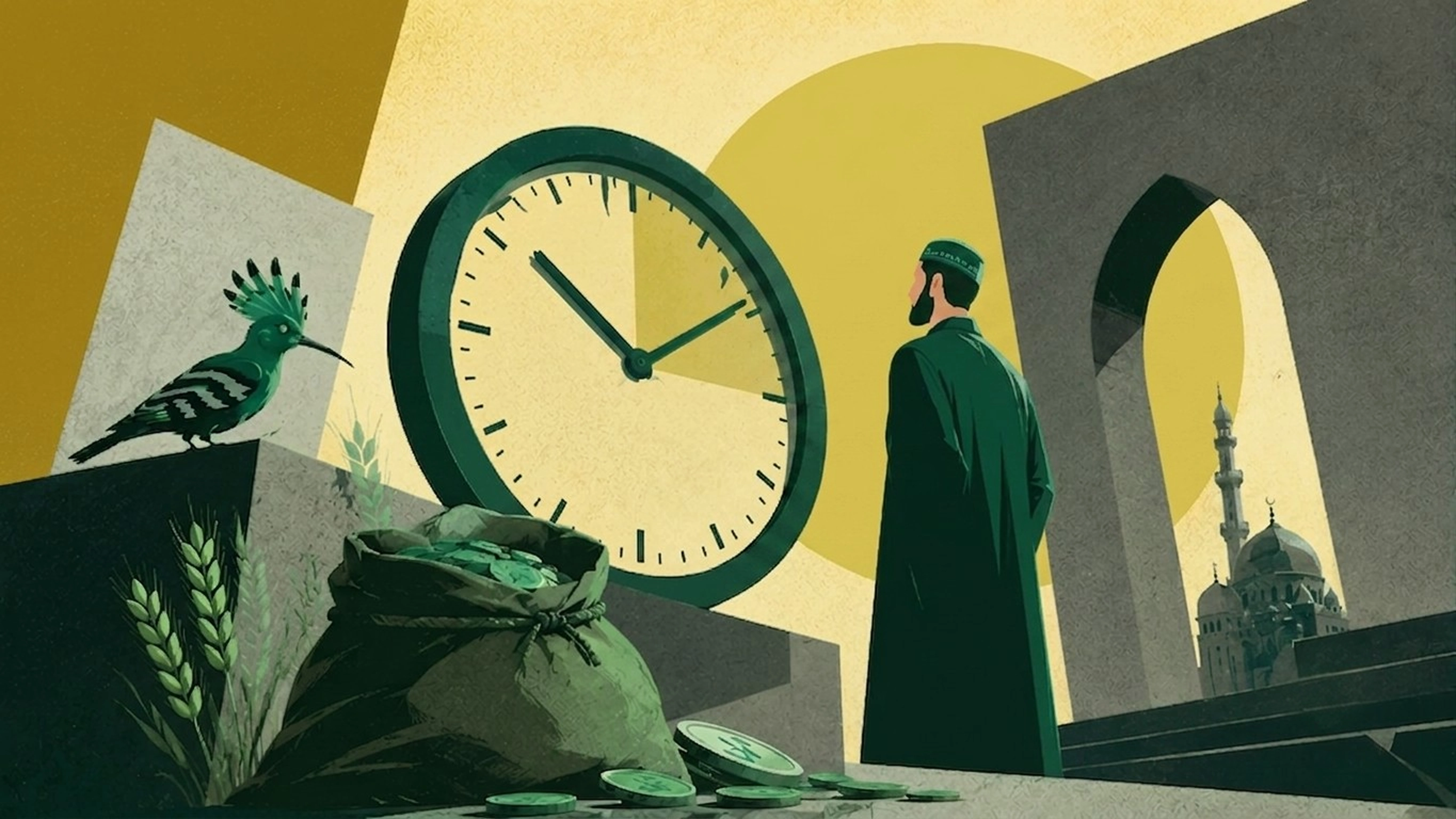
Do I owe Zakat? I have a salary, some savings, and some debts and obligations. This question is not just about a number — it is about the moment money transitions from a means of survival to a force capable of making a positive impact. This article explains the five conditions for Zakat to be obligatory and how Zakat represents a precise balance between justice and mercy.
Dr. Amani Matahen
7 min read
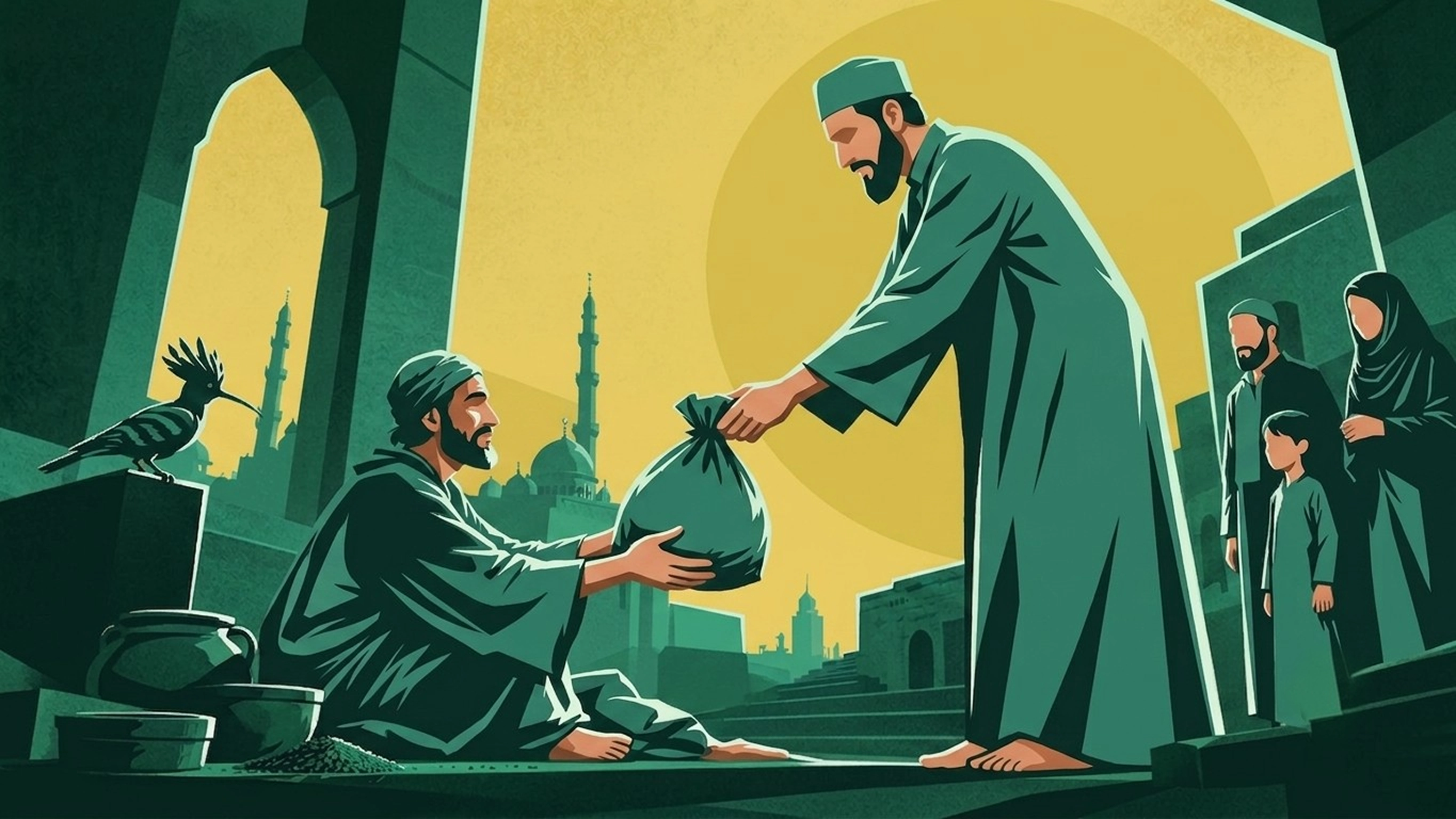
Some of us deal with Zakat as if it is a numerical value that must leave our account as quickly as possible — not a heartfelt act of worship with a precise divine system that determines with great accuracy from whom it is taken and to whom it is given. This article explains the eight Quranic categories, who does not receive Zakat, and how to correctly formulate the intention.
Dr. Amani Matahen
11 min read
 Discover What's New
Follow us on social media


