




What Is True Luxury?
True luxury isn't about the volume or type of purchases — it's your ability to achieve a balanced quality of life: meeting your needs, doing what you love, and not being under constant financial pressure. True luxury is the efficient use of money — directing your income to achieve present comfort while securing future stability.
"Luxury isn't in spending more — it's in the precision of choice."
To define what luxury means for you, answer honestly:
- What adds genuine value to my daily life?
- Do I truly enjoy what I buy, or does the feeling disappear right after?
- What thing, if I invested time or money into it, would make me more comfortable or productive?
Managing Money Intelligently — Not Abundantly
Living comfortably doesn't require a large sum — it requires organized thinking. Smart money management can give you a quality of life that surpasses even those with higher incomes.
Awareness is the key word: knowing where money goes, why, and when.
Four steps to build that awareness:
Set Your Priorities Clearly
Ask what makes your life better. Allocate a budget portion for that without guilt. Measured enjoyment is better than total deprivation — it maintains consistency and prevents financial blowouts later.
Control Financial Leakage
Small uncalculated expenses are the silent enemy of any financial plan: unused subscriptions, impulse supermarket buys, discount-driven purchases. Write down daily expenses and review weekly — you'll be surprised by the size of unnecessary spending.
Intelligently Replace Costly Luxuries
Instead of repeating expensive experiences, make them rare and special events that retain their psychological value. The quality of an experience isn't tied to how much you spend on it, but to your awareness while living it.
"Financial management isn't deprivation — it's the art of choosing well."
 Conclusion
A limited income doesn't mean a limited life. Financial awareness alone is capable of expanding the boundaries of what you have. Stability starts not with increasing income, but with redefining your relationship with money. Define your priorities, spend with awareness, and stop comparing your life to others. That's when financial management transforms from chaos to balance, and from pressure to peace.

PhD in Islamic Economics & Banking and a certified CSAA (Certified Shari'ah Advisor & Auditor)
Read also

Navigate Financial Freedom with Chess Mindset
End the cycle of spending guilt and learn how to manage your finances with a simple, stress-free plan.
 6 min read

Your Route to Financial Freedom: A Glossary of the Concepts That Get You There
Financial literacy is one of those phrases that sounds impressive and explains nothing on its own. This article maps the core concepts you need in your toolkit, from opportunity cost to emergency funds, and it is updated continuously.
5 min read

Ramadan: A Practical Reset for Your Financial Habits
Ramadan is meant to be a month of restraint, yet it has quietly become one of the heaviest spending seasons of the year. This article turns the month into a structured reset for your financial habits, from planning the food budget to giving deliberately and leaving Ramadan without new debt.
8 min read
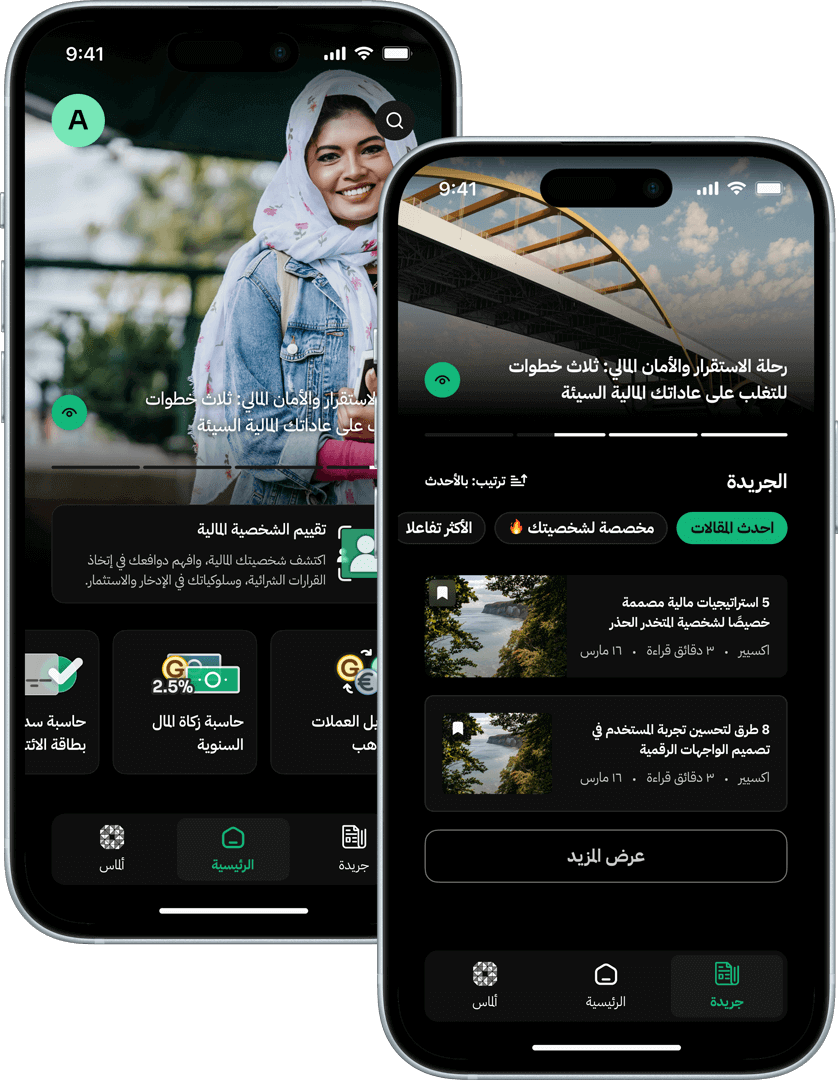
Download the app now!
Read more through the Xeer app. Download it now and enjoy all Xeer features.
 Download the App

Read also
Beyond "BNPL": The Real Cost of Consumer Installment Finance
Consumer installment finance doesn't just affect the people using it, it reshapes spending behavior, market pricing, and economic stability at scale. This article traces the real cost of BNPL from the individual decision all the way to the broader market, and what to do with that understanding.
 Ahmed El Zoughby
8 min read
Ahmed El Zoughby
8 min read
Traditional Installments & Commercial BNPL through the lens of Islamic Finance
Installment finance in Egypt takes more than one form, and the differences between them are not in the marketing, they're in the structure. This article breaks down some of those commercial models, what each one hides, and where each one stands against the sharia compliance standards.
Ahmed El Zoughby
7 min read
Buy Now, Pay Later: How Consumer Finance Became Part of Egyptian Life
Consumer installment finance in Egypt is no longer a niche product, it is infrastructure. Understanding what's driving this growth, and what the numbers behind it actually mean, is the starting point for any informed financial decision.
Ahmed El Zoughby
3 min read