




What Does It Mean to "Use Money Wisely"?
Financial intelligence isn't just the skill of saving or understanding numbers. It's the skill of balancing options between the current and future value of money. Spending isn't a sin when it's in the right place. Saving isn't a virtue when it freezes money. And investing isn't reckless when built on clear analysis. Financial intelligence is the ability to make the right decision between spending, saving, and investing at the right time. A financially wise person doesn't spend driven by emotion, save driven by fear, or invest driven by greed — they build decisions on the value added: security, comfort, stability.
How Do You Know When to Spend and When to Invest?
Before any decision ask yourself: Is this coming from a genuine need? What value does it add? Does it bring comfort? How does it support my financial stability? Giving yourself space to think transforms a purchase from an impulsive reaction into a conscious process.
Each financial personality approaches money differently:
- The Mindful Spender understands that spending enriches experience when it exchanges money for lasting things like knowledge, skill, or mental clarity.
- The Mindful Saver knows saving isn't an end but a means that gives freedom of choice — measured by financial flexibility, not amount.
- The Mindful Investor understands growth comes through balanced, sustainable yield — not chasing high returns.
Practical Tools for Using Money Wisely
- Flexible budget: Divide income across living essentials, financial growth, and entertainment. A clear entertainment category reduces impulsive spending.
- Buy by value, not price: Ask what's the expected return and lifespan. Paying more for something that lasts longer is itself a gain.
- Link spending to specific goals: Every dollar should have a clear, pre-defined purpose — this maximizes value from your money.
- Use tools that increase financial discipline: Automatic savings transfers, a budget app, expense tracking. Rely on Xeer for budgeting and expense tracking.
- Set measurement benchmarks: Monthly savings-to-income ratio, not exceeding entertainment budget for three consecutive months, growing net worth semi-annually.
 Conclusion
Financial intelligence doesn't mean owning more — it means having the wisdom to use what you have. Define your priorities, set clear criteria and goals, and move away from randomness in your financial life. The best time to start is right now.

PhD in Islamic Economics & Banking and a certified CSAA (Certified Shari'ah Advisor & Auditor)
Read also

Navigate Financial Freedom with Chess Mindset
End the cycle of spending guilt and learn how to manage your finances with a simple, stress-free plan.
 6 min read

Your Route to Financial Freedom: A Glossary of the Concepts That Get You There
Financial literacy is one of those phrases that sounds impressive and explains nothing on its own. This article maps the core concepts you need in your toolkit, from opportunity cost to emergency funds, and it is updated continuously.
5 min read

Ramadan: A Practical Reset for Your Financial Habits
Ramadan is meant to be a month of restraint, yet it has quietly become one of the heaviest spending seasons of the year. This article turns the month into a structured reset for your financial habits, from planning the food budget to giving deliberately and leaving Ramadan without new debt.
8 min read
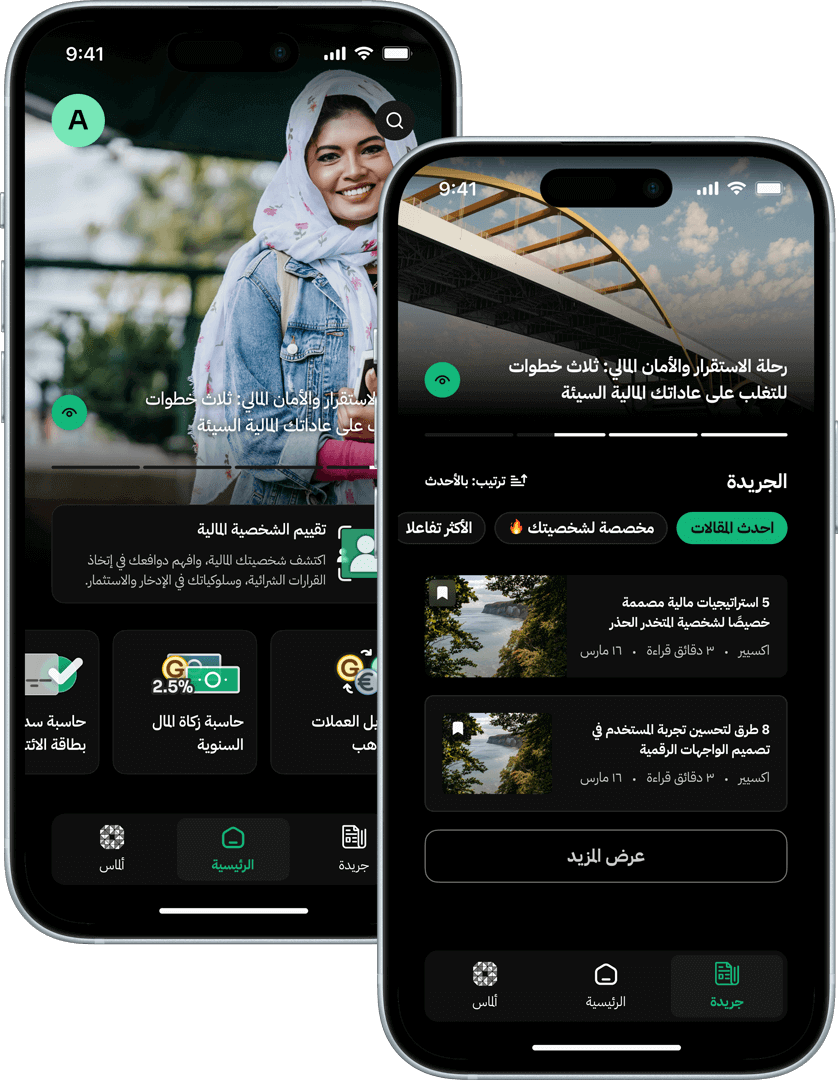
Download the app now!
Read more through the Xeer app. Download it now and enjoy all Xeer features.
 Download the App

Read also
Beyond "BNPL": The Real Cost of Consumer Installment Finance
Consumer installment finance doesn't just affect the people using it, it reshapes spending behavior, market pricing, and economic stability at scale. This article traces the real cost of BNPL from the individual decision all the way to the broader market, and what to do with that understanding.
 Ahmed El Zoughby
8 min read
Ahmed El Zoughby
8 min read
Traditional Installments & Commercial BNPL through the lens of Islamic Finance
Installment finance in Egypt takes more than one form, and the differences between them are not in the marketing, they're in the structure. This article breaks down some of those commercial models, what each one hides, and where each one stands against the sharia compliance standards.
Ahmed El Zoughby
7 min read
Buy Now, Pay Later: How Consumer Finance Became Part of Egyptian Life
Consumer installment finance in Egypt is no longer a niche product, it is infrastructure. Understanding what's driving this growth, and what the numbers behind it actually mean, is the starting point for any informed financial decision.
Ahmed El Zoughby
3 min read