




Building a personal budget is not as complicated as it looks. It is a simple step that lets you organize your money, set your priorities, and point your income at what actually matters to you.
The personal budget is one of the most important tools in personal financial management, and it is the first step out of randomness and into structure. It helps you get the most from your available income through planning ahead. Even so, the concept stays unclear for many people, who assume building one is complex. The reality is the opposite: there are several simple methods for doing it.
This article covers what a personal budget is, why it matters, and how to build yours in the simplest way, with practical tips along the way.
What is a personal budget?
A personal budget is a personal financial management tool that shows how available income is spent across your different needs over a set period, usually a month.
Why do you need one?
Some people assume that those who are comfortable financially don't need a budget, and that it is only for people on limited incomes. Reality says otherwise. Plenty of well-off people fall into debt, get pulled along by emotional spending, and ignore priorities.
So regardless of your income level, a personal budget matters for your financial stability now and later. Here is what it gives you:
- Getting more out of available income. The value of money is tied to how you spend it. A unit of currency spent on bread carries more benefit than the same unit spent on ice cream. A budget lets you think the same way about allocation: an amount for essential living needs, an amount for discretionary spending, an amount for debt repayment. It gives you the time to think about spending before you spend.
- Setting priorities. Knowing your available income, and having a clear picture of essentials, discretionary items, and your financial goals, lets you balance across them and see where you can save.
- Not letting spending expand. Some of us fall for the wealth effect on payday and forget we were looking for a loan two days earlier. Clothes get bought, meals get eaten out, and then it becomes clear that most of the income is gone, which sends us back to austerity and borrowing from friends. A pre-set budget makes that far less likely.
- Planning for emergencies. A budget pushes you toward consistent saving. It should include an emergency allocation, a share of income set aside monthly for the unexpected, so you don't have to borrow.
- Reaching short and long-term goals. We all have things we want: being debt-free, a holiday, a car, a home. A budget turns those into financial goals you can actually execute.
How to build your personal budget
This doesn't require complex financial skills. All you need is a pen and paper, a cup of coffee, and one clear-headed sitting.
Step 1: Determine net income
This is the foundation, because everything else depends on it.
Net income is the money you receive from work, investment, or any other source, after mandatory deductions and insurance. If you are on a fixed salary, the amount deposited into your bank account is usually your net income.
If you work daily rates, freelance, or hold any role without a fixed monthly income, look at what you earned over the last 6 months and divide by the number of months. That average is your working monthly income.
Step 2: Track your spending
Once you know what comes in, you need to know where it goes. Tracking means recording every transaction regardless of size. Do this for 2 weeks to a month, using whatever tool you have: pen and paper, a phone app, or a spreadsheet. What matters is that you track. It shows you your spending pattern, where your money goes, and where you can save.
Then classify expenses as essential or discretionary:
- Essential expenses: the basics of a decent life. They are predictable and recurring: rent or mortgage, transport or fuel, food and groceries, monthly bills such as water, electricity, and internet.
- Discretionary expenses: these vary in type and size month to month: incidental purchases, entertainment, gifts.
This step shows you the minimum you can live on, and gives you a view of what you could drop or replace.
Step 3: Build the actual budget
Now that you have a clear picture of available income and baseline expenses, you can create the budget:
- Start with a monthly expense list covering everything you expect next month, drawing on what tracking showed you
- Brainstorm all expected expenses without classifying, then sort them into essential and discretionary
- Allocate an amount to each category in light of your available income, remembering that essentials come first in both importance and allocation
Don't forget to allocate a share of income to saving, and treat it as a form of spending. Common targets are 10%, 15%, or at least 20% of income.
Saving is the future-security element of the budget. It builds your emergency fund, pays down debt, and reaches long-term goals. It is not an optional line item, it is a core part of your future.
Step 4: Compare income against expected expenses
Once the budget is drafted, compare total expenses to available income. If income equals or exceeds expenses, congratulations: direct the difference to saving.
If expenses exceed income, revisit and adjust until they match. Review the discretionary list and identify what you can drop or reduce, then review the essential list and look for line items where you can save, until expenses equal income.
Step 5: Execute and adjust
The budget is now in your hands. Start executing it when your income lands, track spending daily through the month, and set aside a fixed weekly time to review how well you are holding to it. That weekly review matters most in the early months, because it surfaces overspends early enough to correct them.
Alongside the weekly check, set aside time at month-end to assess last month's budget, and don't hesitate to adjust next month's.
Additional tips
- Start simple: don't overcomplicate it, pen and paper works
- Be realistic: set targets you can actually hit
- Review regularly: weekly and monthly
- Learn from mistakes: don't despair at overspends, learn from them and improve the plan
Useful tools
- Mobile apps: expense tracking on your phone
- Spreadsheets: Excel or Google Sheets for detailed tables
- Notebooks: for anyone who prefers writing by hand
- Banking apps: which categorize spending automatically
 Conclusion
Remember that a personal budget is a tool for making your financial life easier, not a burden or a restriction. It is normal to hit difficulties early on, and they fade with practice, leaving you with the security and stability the budget was built to give you. Start applying these steps today with the tools that suit you, and you will see the difference in your financial life within a few months.

PhD in Islamic Economics & Banking and a certified CSAA (Certified Shari'ah Advisor & Auditor)
Read also

Navigate Financial Freedom with Chess Mindset
End the cycle of spending guilt and learn how to manage your finances with a simple, stress-free plan.
 6 min read

Your Route to Financial Freedom: A Glossary of the Concepts That Get You There
Financial literacy is one of those phrases that sounds impressive and explains nothing on its own. This article maps the core concepts you need in your toolkit, from opportunity cost to emergency funds, and it is updated continuously.
5 min read

Ramadan: A Practical Reset for Your Financial Habits
Ramadan is meant to be a month of restraint, yet it has quietly become one of the heaviest spending seasons of the year. This article turns the month into a structured reset for your financial habits, from planning the food budget to giving deliberately and leaving Ramadan without new debt.
8 min read
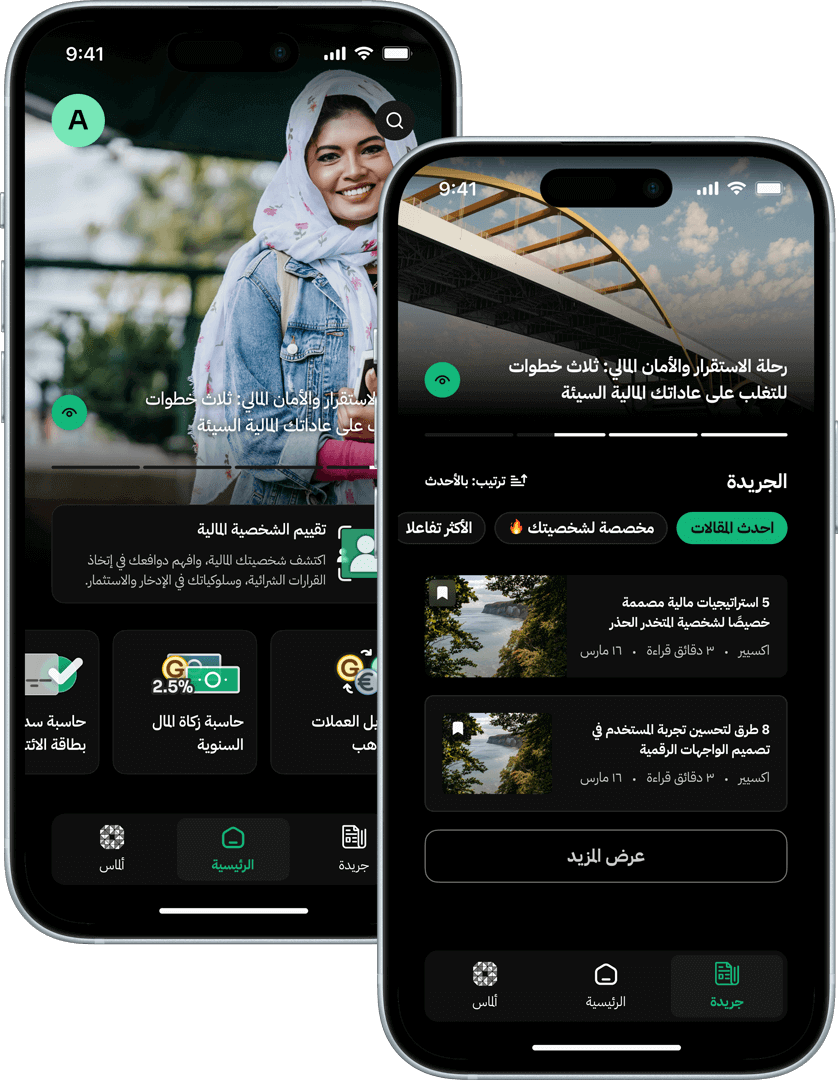
Download the app now!
Read more through the Xeer app. Download it now and enjoy all Xeer features.
 Download the App

Read also
Beyond "BNPL": The Real Cost of Consumer Installment Finance
Consumer installment finance doesn't just affect the people using it, it reshapes spending behavior, market pricing, and economic stability at scale. This article traces the real cost of BNPL from the individual decision all the way to the broader market, and what to do with that understanding.
 Ahmed El Zoughby
8 min read
Ahmed El Zoughby
8 min read
Traditional Installments & Commercial BNPL through the lens of Islamic Finance
Installment finance in Egypt takes more than one form, and the differences between them are not in the marketing, they're in the structure. This article breaks down some of those commercial models, what each one hides, and where each one stands against the sharia compliance standards.
Ahmed El Zoughby
7 min read
Buy Now, Pay Later: How Consumer Finance Became Part of Egyptian Life
Consumer installment finance in Egypt is no longer a niche product, it is infrastructure. Understanding what's driving this growth, and what the numbers behind it actually mean, is the starting point for any informed financial decision.
Ahmed El Zoughby
3 min read