



We’ve all been there. You see it. You want it. You buy it.
For a glorious 10 minutes, you’re riding high. Then… the slow-motion dread kicks in. That must-have gadget is now holding a staring contest with you from the back of your closet, silently judging your life choices.
Why does this happen? Why does handling money so often feel like a losing battle?
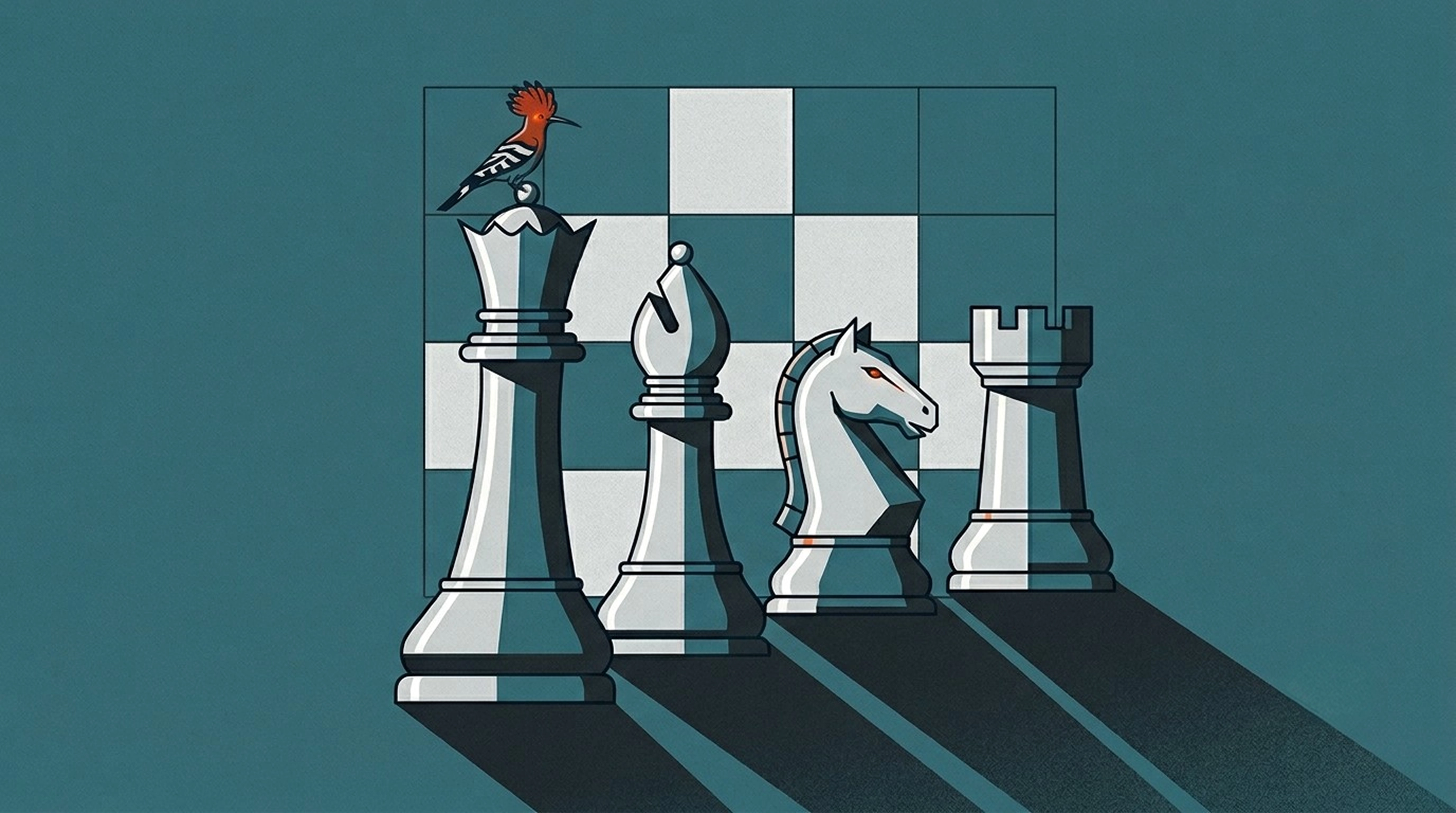
Because most of us are playing a high-stakes game without a strategy. We’re moving pieces randomly, reacting to whatever comes our way and hoping for the best. But your financial life isn’t a game of chance. It's a game of chess.
And the good news? You don’t need to be a Grandmaster to win. You just need to stop being a pawn and start thinking like the player. Ready to make your first move?
Move 1: Know Your Pieces — Figure Out Where Your Money Actually Goes
A chess player can’t win if they don’t know what their pieces do. You have to know your pawns from your queen. The same goes for your money. This first step isn't about judgment; it's about seeing the whole board clearly.
For one month, just watch your pieces. Track every move.
-
Your Pawns are your small, daily expenses (that coffee, the subscription you forgot about).
-
Your Rooks & Knights are your major, recurring costs (rent, car payments, bills).
-
Your Queen is your most powerful piece: your income.
Use a simple app or a notebook. When you see where your money is actually going, you get your "Aha!" moment. You can finally ask: "Are my pieces working together to win, or are they just scattered all over the board?"
This isn’t about sacrificing your pieces. It's about knowing their power so you can use them to your advantage.
Move 2: Plan Your Opening Moves — Your Guilt-Free Game Plan
A chess master never starts a game with random moves. They have an opening strategy. A budget isn’t a cage; it’s your opening strategy. It's your permission slip to move your pieces with purpose and confidence.
This is your declaration that YOU are in charge of the game.
-
Define Your Strategy: Look at your income (your Queen) and your expenses (your other pieces). Decide on your game plan. A simple, powerful strategy is the Needs, Wants, and Future You plan.
-
Needs (Your Defense): The moves you must make. Rent, bills, groceries.
-
Wants (Your Attack): The fun moves that make the game worth playing! Dining out, hobbies, shopping.
-
Future You (Your Long Game): The strategic moves that set you up for the win. Savings, investments, paying off debt.
-
-
Move with Confidence: When you go to the store, you’re no longer asking, "Can I afford this?" You're asking, "Is this move part of my strategy?" If it is, make the move! Enjoy it! You literally planned for this victory.
No more random moves. No more spending stress. Just strategy.
Move 3: Protect Your King — Build Your Financial Fortress
In chess, no matter how powerful your attack, you lose if your King is captured. Your personal financial stability is your King. It must be protected at all costs. An emergency fund is your fortress. It’s the ultimate defensive move.
Life will always make unexpected attacks—a car repair, a surprise medical bill. Your emergency fund lets you face these attacks without having your entire game fall apart. It’s your “Get Out of Jail Free” card. It’s the deep breath you can take when things go wrong, knowing your King is safe.
Your Goal: Build a fortress that can withstand 3 to 6 months of essential expenses. This money sits separately, untouched, waiting to defend you. Every dollar you add is another stone in your castle wall.
Final Moves: Playing for Checkmate — Your Path to Financial Freedom
Once your defense is solid and your strategy is clear, you can focus on the most exciting part of the game: playing for the win. "Checkmate" in the game of money is financial freedom.
This is where you make the big, forward-thinking moves to achieve your dreams.
-
Want to buy a house? That’s a major strategic goal.
-
Dream of retiring early? You need a long-term plan of attack.
-
Want to travel the world? Map out the moves to get there.
This isn’t just about saving. It’s about making your money work for you through smart investments and long-term planning. It’s about building a future where your money gives you choices, not constraints.
You Are the Player, Not the Piece
Financial literacy is not about being perfect. It's about shifting your mindset. Stop letting impulse and anxiety move your pieces around the board.
By thinking like a chess player, you learn to see the whole game, plan your moves with intention, and build a powerful defense. Every step you take—from tracking your spending to building your emergency fund—is a strategic move toward a future where you are in complete control.
Read also

Your Route to Financial Freedom: A Glossary of the Concepts That Get You There
Financial literacy is one of those phrases that sounds impressive and explains nothing on its own. This article maps the core concepts you need in your toolkit, from opportunity cost to emergency funds, and it is updated continuously.
 5 min read

Ramadan: A Practical Reset for Your Financial Habits
Ramadan is meant to be a month of restraint, yet it has quietly become one of the heaviest spending seasons of the year. This article turns the month into a structured reset for your financial habits, from planning the food budget to giving deliberately and leaving Ramadan without new debt.
8 min read

Eyewitness Report: Mysterious Wallet Money Disappearance!
The problem is rarely the money you earn, it is that "I'll save more" was never a plan in the first place. This article shows you how to turn vague financial wishes into specific goals built around your own financial personality.
5 min read
Download the app now!
Read more through the Xeer app. Download it now and enjoy all Xeer features.
 Download the App

Read also
Beyond "BNPL": The Real Cost of Consumer Installment Finance
Consumer installment finance doesn't just affect the people using it, it reshapes spending behavior, market pricing, and economic stability at scale. This article traces the real cost of BNPL from the individual decision all the way to the broader market, and what to do with that understanding.
 Ahmed El Zoughby
8 min read
Ahmed El Zoughby
8 min read
Traditional Installments & Commercial BNPL through the lens of Islamic Finance
Installment finance in Egypt takes more than one form, and the differences between them are not in the marketing, they're in the structure. This article breaks down some of those commercial models, what each one hides, and where each one stands against the sharia compliance standards.
Ahmed El Zoughby
7 min read
Buy Now, Pay Later: How Consumer Finance Became Part of Egyptian Life
Consumer installment finance in Egypt is no longer a niche product, it is infrastructure. Understanding what's driving this growth, and what the numbers behind it actually mean, is the starting point for any informed financial decision.
Ahmed El Zoughby
3 min read