




First: Invest in Education and Personal Development
Today's job market demands flexibility and continuously updated skills. Education is a strategic investment tool — not limited to university degrees. Professional training, online courses, and certifications offer valuable experiences without years of full-time study. The return on this investment shows up in higher salaries, job security, and the ability to seize opportunities.
"Smart financial decisions about learning pave the way for wealth accumulation in the future."
Second: How Much Do You Invest, and When Do You Start?
The most critical decision is when to start. Early investing gives you the power of compounding returns. Even small, regular contributions can grow unexpectedly over decades. Your ability to control expenses and consistently invest a larger portion of your income is the key to financial freedom.
The principle is simple: the earlier you start, the more time your money has to grow.
Third: Choosing a Mindful Lifestyle
A mindful lifestyle doesn't mean austerity — it means conscious choices built on personal priorities and values, maximizing value per spending decision. It helps you live richly without becoming a prisoner of consumerism. Plan a lifestyle that suits you without straining your income or making you vulnerable to debt.
Fourth: Smart Debt Management
Not all debts are equal. Good debt builds your wealth over the long term — like education or a business. Bad debt drains resources without generating returns — like credit card debt. Bad debt keeps you trapped in a cycle where earnings go toward servicing debt instead of building wealth. The decisive decision is learning to manage debt by type, amount, and repayment plan.
Fifth: Building an Emergency Savings Fund
An emergency fund is the protective shield on your journey toward stability and financial freedom. Whether you lose income, face unexpected medical expenses, or need a major repair — this fund gives you flexibility and peace of mind. The golden rule: set aside enough to cover essential expenses for 3 to 6 months, and only use it for truly unforeseen situations.
 Conclusion
Remember that your financial decisions are a direct investment in your future. Making smart choices doesn't require perfection — just awareness and consistency. Focus on what you can control today, and work your way toward financial freedom and wellbeing.

PhD in Islamic Economics & Banking and a certified CSAA (Certified Shari'ah Advisor & Auditor)
Read also

Navigate Financial Freedom with Chess Mindset
End the cycle of spending guilt and learn how to manage your finances with a simple, stress-free plan.
 6 min read

Your Route to Financial Freedom: A Glossary of the Concepts That Get You There
Financial literacy is one of those phrases that sounds impressive and explains nothing on its own. This article maps the core concepts you need in your toolkit, from opportunity cost to emergency funds, and it is updated continuously.
5 min read

Ramadan: A Practical Reset for Your Financial Habits
Ramadan is meant to be a month of restraint, yet it has quietly become one of the heaviest spending seasons of the year. This article turns the month into a structured reset for your financial habits, from planning the food budget to giving deliberately and leaving Ramadan without new debt.
8 min read
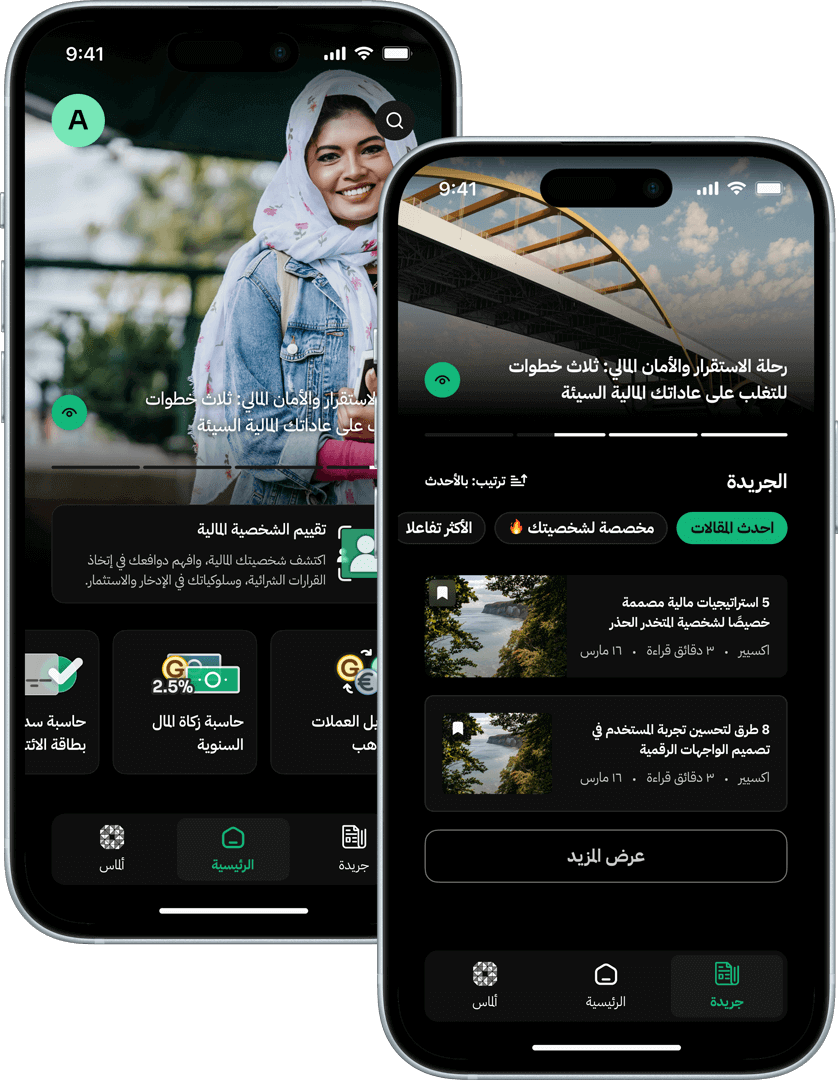
Download the app now!
Read more through the Xeer app. Download it now and enjoy all Xeer features.
 Download the App

Read also
Beyond "BNPL": The Real Cost of Consumer Installment Finance
Consumer installment finance doesn't just affect the people using it, it reshapes spending behavior, market pricing, and economic stability at scale. This article traces the real cost of BNPL from the individual decision all the way to the broader market, and what to do with that understanding.
 Ahmed El Zoughby
8 min read
Ahmed El Zoughby
8 min read
Traditional Installments & Commercial BNPL through the lens of Islamic Finance
Installment finance in Egypt takes more than one form, and the differences between them are not in the marketing, they're in the structure. This article breaks down some of those commercial models, what each one hides, and where each one stands against the sharia compliance standards.
Ahmed El Zoughby
7 min read
Buy Now, Pay Later: How Consumer Finance Became Part of Egyptian Life
Consumer installment finance in Egypt is no longer a niche product, it is infrastructure. Understanding what's driving this growth, and what the numbers behind it actually mean, is the starting point for any informed financial decision.
Ahmed El Zoughby
3 min read