




Why Do We Spend Without Awareness?
Impulsive spending results from an interaction between emotion, logic, and our surrounding environment. We often spend not to meet material needs, but hidden psychological ones — like the desire for self-worth or the search for comfort. When stressed, shopping feels like a quick mood fix. Social media multiplies this by pumping daily messages that stoke the desire to buy.
Know Yourself First
Before trying to control your spending, understand your financial personality type. Ask yourself:
- Do you love trends and easily get drawn to social media ads? You're closer to the Trendy Spender.
- Are you disciplined and put budget adherence above all else, sometimes to the point of over-restricting? You're closer to the Practical Saver.
- Do you view spending on premium experiences as an investment but sometimes overspend on non-essentials? You're closer to the Sophisticated Spender.
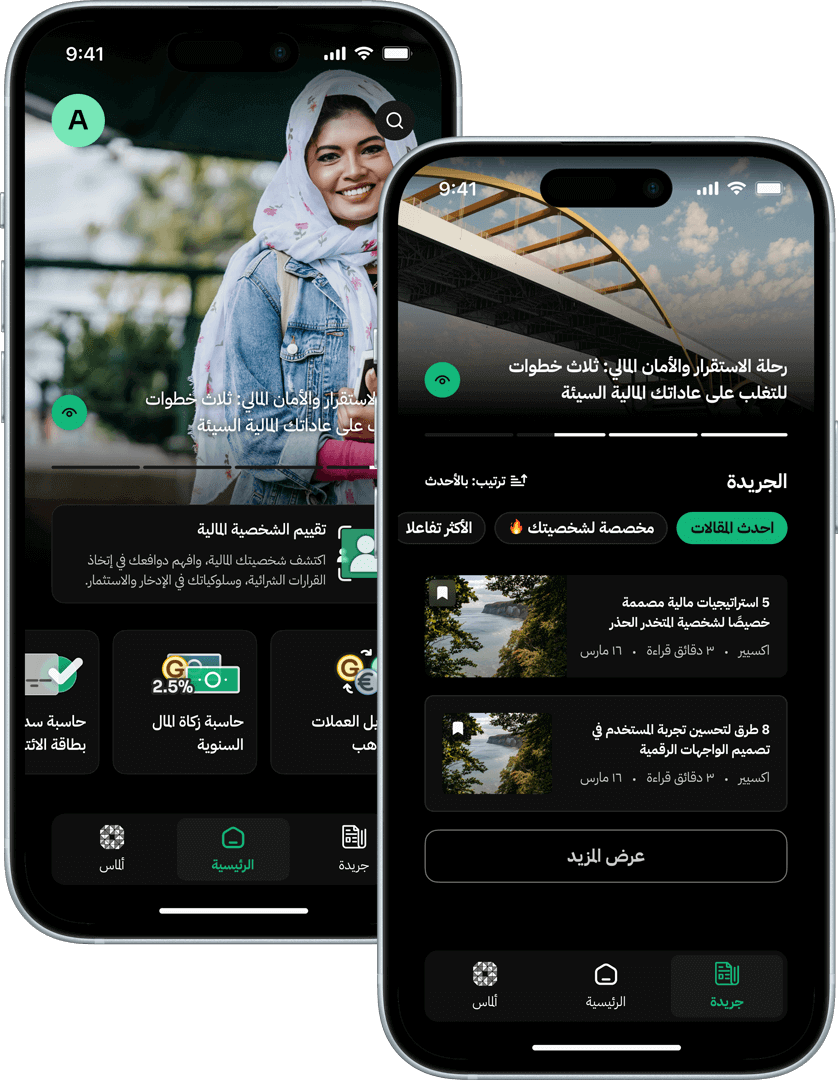
Understanding these patterns is about discovering what drives your spending — pleasure? Security? Self-worth? Discover your financial personality: take the Financial Personality Assessment.
A Flexible Budget, Not a Rigid One
A budget isn't a restriction — it's a tool that gives you clarity and balance. A simple guiding rule like 50/30/20 works well: 50% on essential needs, 30% on entertainment and extras, 20% for saving and investing. This ensures essentials are covered, you have room for enjoyment, and your future is protected.
Eliminate the Triggers
Impulsive spending is largely planted in us from outside. Every scroll carries a message: "buy now before the offer expires!" These triggers operate at the subconscious level. You can manage them with simple but effective steps:
- Clean up your digital environment: Remove shopping apps from your phone, reduce following accounts that promote buying.
- Shop with a plan, not emotion: Prepare a shopping list in advance.
- Give yourself time before purchasing: Step away from the temptation — leave the store, exit the app. This gap gives you the chance to reconsider.
 Conclusion
Controlling impulsive spending doesn't mean living under pressure or deprivation — it means finding balance between enjoying the present and preparing for the future. When you control what you see and hear, your desires will decrease, and you'll discover you no longer need much of what you used to buy.

PhD in Islamic Economics & Banking and a certified CSAA (Certified Shari'ah Advisor & Auditor)
Read also

Navigate Financial Freedom with Chess Mindset
End the cycle of spending guilt and learn how to manage your finances with a simple, stress-free plan.
 6 min read

Your Route to Financial Freedom: A Glossary of the Concepts That Get You There
Financial literacy is one of those phrases that sounds impressive and explains nothing on its own. This article maps the core concepts you need in your toolkit, from opportunity cost to emergency funds, and it is updated continuously.
5 min read

Ramadan: A Practical Reset for Your Financial Habits
Ramadan is meant to be a month of restraint, yet it has quietly become one of the heaviest spending seasons of the year. This article turns the month into a structured reset for your financial habits, from planning the food budget to giving deliberately and leaving Ramadan without new debt.
8 min read
Download the app now!
Read more through the Xeer app. Download it now and enjoy all Xeer features.
 Download the App

Read also
Beyond "BNPL": The Real Cost of Consumer Installment Finance
Consumer installment finance doesn't just affect the people using it, it reshapes spending behavior, market pricing, and economic stability at scale. This article traces the real cost of BNPL from the individual decision all the way to the broader market, and what to do with that understanding.
 Ahmed El Zoughby
8 min read
Ahmed El Zoughby
8 min read
Traditional Installments & Commercial BNPL through the lens of Islamic Finance
Installment finance in Egypt takes more than one form, and the differences between them are not in the marketing, they're in the structure. This article breaks down some of those commercial models, what each one hides, and where each one stands against the sharia compliance standards.
Ahmed El Zoughby
7 min read
Buy Now, Pay Later: How Consumer Finance Became Part of Egyptian Life
Consumer installment finance in Egypt is no longer a niche product, it is infrastructure. Understanding what's driving this growth, and what the numbers behind it actually mean, is the starting point for any informed financial decision.
Ahmed El Zoughby
3 min read