




Discipline: The Foundation of Any Financial Plan
Discipline doesn't mean deprivation — it means being in control of your money instead of letting it control you. No matter how high your income, spending without awareness or living beyond your means will keep you under constant financial pressure.
The most important tool for financial discipline is a budget. It gives you the ability to map out where your money goes instead of spending randomly. Set three key priorities in your budget:
- Essential needs: such as housing, food, and education.
- Saving and investing: no matter how small the amount, what matters is building a consistent habit.
- Entertainment: because total deprivation kills the motivation to keep going.
Discipline gives you the freedom to choose where your money goes, instead of being pulled by impulse purchases and spontaneous decisions.
Saving and Investing: A Habit That Builds a Brighter Future
After setting your budget, plan for saving and start now. Some people delay saving thinking it requires large amounts, but the truth is that building the habit of saving is what matters most. Make saving a permanent part of your plan so it becomes a regular, unchanging action.
Saving targets three areas: an emergency fund, a short-term goals fund, and a long-term goals fund — covering unexpected situations, short-term desires, and securing the future.
But saving without investing isn't enough. The goal isn't to freeze money and let inflation eat away at its value over time. And investing isn't about reckless risk-taking. It's about offsetting the decline in the value of money over time and diversifying your income sources.
Start exploring investment opportunities around you, work on understanding the level of risk you can handle, and learn how to diversify risk in a way that ensures your financial security while opening doors for future growth.
Debt: A Double-Edged Sword
You can't talk about financial stability without addressing debt — it's a part of life that can't be ignored, and sometimes we have no choice but to take it on. But the worst thing you can do is get pulled into consumer loans, like using a credit card to buy a phone or taking a personal loan for luxury items or a vacation.
On the other hand, debt can be a boost that improves your professional life if used wisely — such as taking an education loan for a professional certification or academic degree, a mortgage that lets you benefit from property value appreciation over time, or financing a small business that helps diversify your income.
Debt is neither an absolute enemy nor a close friend — it's a tool that can either push you forward or drag you down. Use debt cautiously, treat it as a tool for building the future rather than an escape from reality, and most importantly, learn to say "no" when borrowing is just a response to a passing desire.
Quality vs. Cost: An Investment in Peace of Mind
The cheaper product may seem more tempting and less costly, but it's often shorter-lived, more expensive to maintain, or needs replacing quickly. In the end, what you thought was savings turns into a loss.
Choosing higher-quality products isn't a luxury — it's a long-term investment. Buying high-quality home appliances gives you a longer lifespan. Choosing specialized professional courses saves you the cost of many weak ones and is an investment in your career. Buying a new car stops the flow of maintenance expenses and fuel costs.
In short, choosing higher-quality products is the better financial choice because it gives you longer use, higher resale value, greater satisfaction with the experience, and most importantly, peace of mind — no worrying about breakdowns, no maintenance costs, and no wasted time.
It's important to note that quality doesn't always mean paying a higher price, and cheaper doesn't always mean lower quality. It takes research and awareness — comparing prices, asking people around you, and evaluating products from the perspective of price versus the value they deliver.
Flexibility: The Secret to Staying on Track
The fast pace of life constantly forces us to make quick decisions. No single plan can succeed in the long run — what worked for you a year ago may not work today. The secret to success is flexibility: reviewing your budget regularly, reprioritizing when income changes, and continuously reassessing your investments.
 Conclusion
A successful financial plan isn't a hidden secret or a complex equation. It's a combination of spending discipline, awareness of the importance of saving and investing, and flexibility in adapting to any circumstance. Bringing these together makes you capable of facing crises and seizing opportunities without losing your balance.

PhD in Islamic Economics & Banking and a certified CSAA (Certified Shari'ah Advisor & Auditor)
Read also

Navigate Financial Freedom with Chess Mindset
End the cycle of spending guilt and learn how to manage your finances with a simple, stress-free plan.
 6 min read

Your Route to Financial Freedom: A Glossary of the Concepts That Get You There
Financial literacy is one of those phrases that sounds impressive and explains nothing on its own. This article maps the core concepts you need in your toolkit, from opportunity cost to emergency funds, and it is updated continuously.
5 min read

Ramadan: A Practical Reset for Your Financial Habits
Ramadan is meant to be a month of restraint, yet it has quietly become one of the heaviest spending seasons of the year. This article turns the month into a structured reset for your financial habits, from planning the food budget to giving deliberately and leaving Ramadan without new debt.
8 min read
Download the app now!
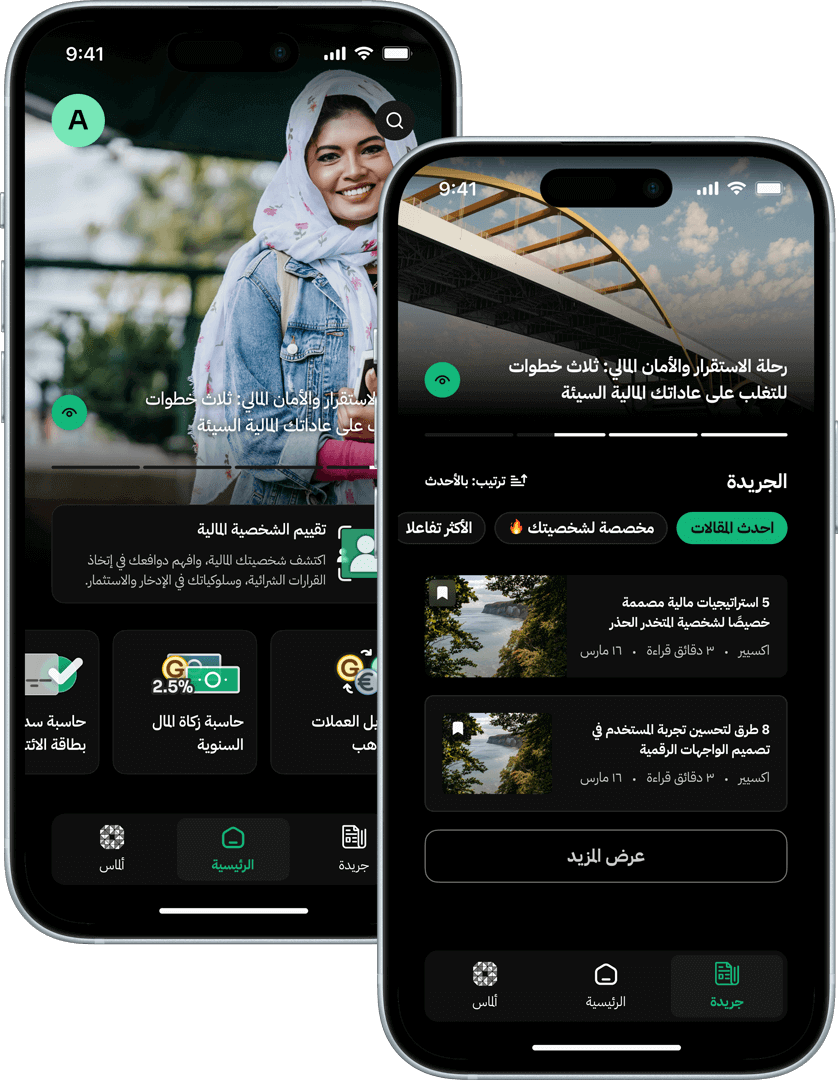
Read more through the Xeer app. Download it now and enjoy all Xeer features.
 Download the App

Read also
Beyond "BNPL": The Real Cost of Consumer Installment Finance
Consumer installment finance doesn't just affect the people using it, it reshapes spending behavior, market pricing, and economic stability at scale. This article traces the real cost of BNPL from the individual decision all the way to the broader market, and what to do with that understanding.
 Ahmed El Zoughby
8 min read
Ahmed El Zoughby
8 min read
Traditional Installments & Commercial BNPL through the lens of Islamic Finance
Installment finance in Egypt takes more than one form, and the differences between them are not in the marketing, they're in the structure. This article breaks down some of those commercial models, what each one hides, and where each one stands against the sharia compliance standards.
Ahmed El Zoughby
7 min read
Buy Now, Pay Later: How Consumer Finance Became Part of Egyptian Life
Consumer installment finance in Egypt is no longer a niche product, it is infrastructure. Understanding what's driving this growth, and what the numbers behind it actually mean, is the starting point for any informed financial decision.
Ahmed El Zoughby
3 min read